SaaS Keyword Research 2026: Buyer Intent and SEO Strategy

Most SaaS blogs chase the biggest keyword they can find. Then they wonder why traffic never turns into trials.
Volume isn't the goal. Buyers are.
SaaS keyword research in 2026 means finding the searches people make right before they pick a tool. Alternatives, comparisons, pricing, integrations and real use cases.
It also means checking what AI Overviews and ChatGPT answer before anyone clicks. Skip that check and you might rank for a keyword nobody clicks anymore.
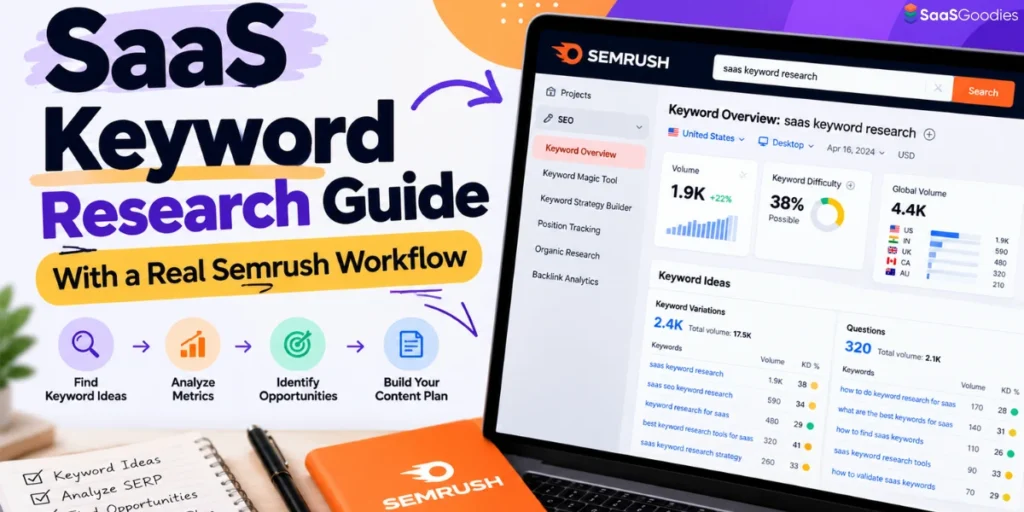
We'll walk you through real keyword data, a full Semrush keyword research workflow, a scoring system and the page types that actually convert. No fluff. Just the stuff we use ourselves.
Bottom Line Upfront on SaaS Keyword Research
How Keyword Research Changed in 2026
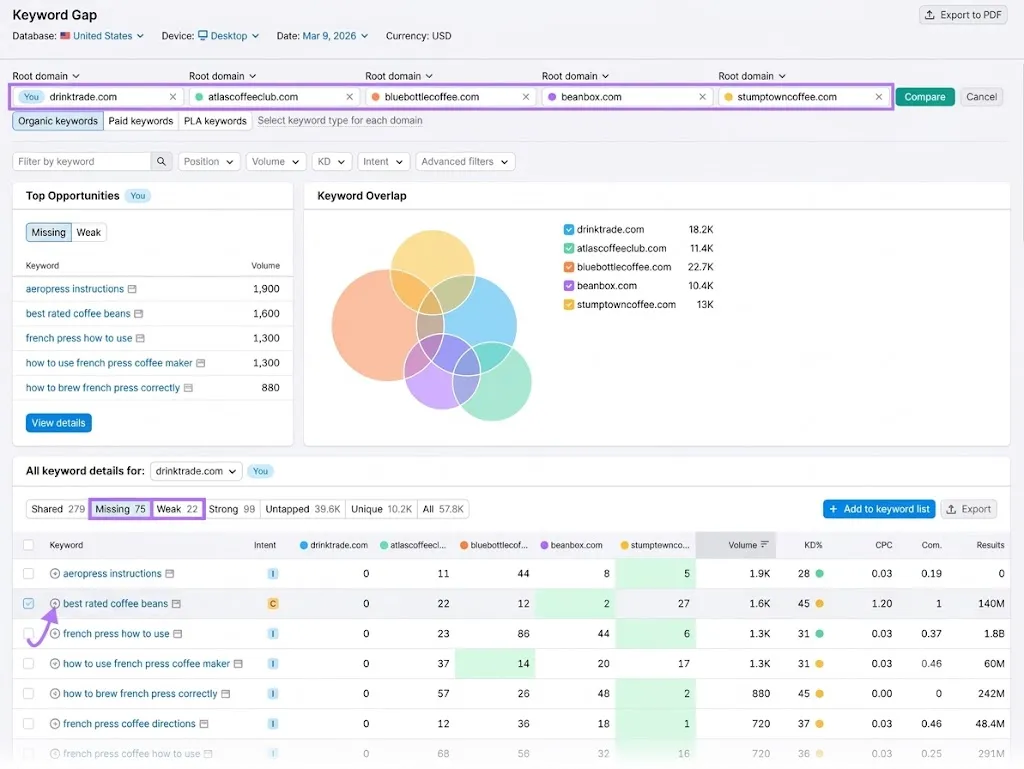
The old playbook was simple. Find big keywords, write long posts, build links, wait.
Some of it still works. A lot of it doesn't.
AI Overviews Changed the Click Math
So two questions now come with every keyword. Does an AI Overview show? And can we get cited in it?
Prompts Became a Second Keyword Universe
Buyers now ask ChatGPT and Google AI Mode things like “best newsletter tool for a small creator.”
Those prompts are longer, more specific and more comparison heavy than classic searches.
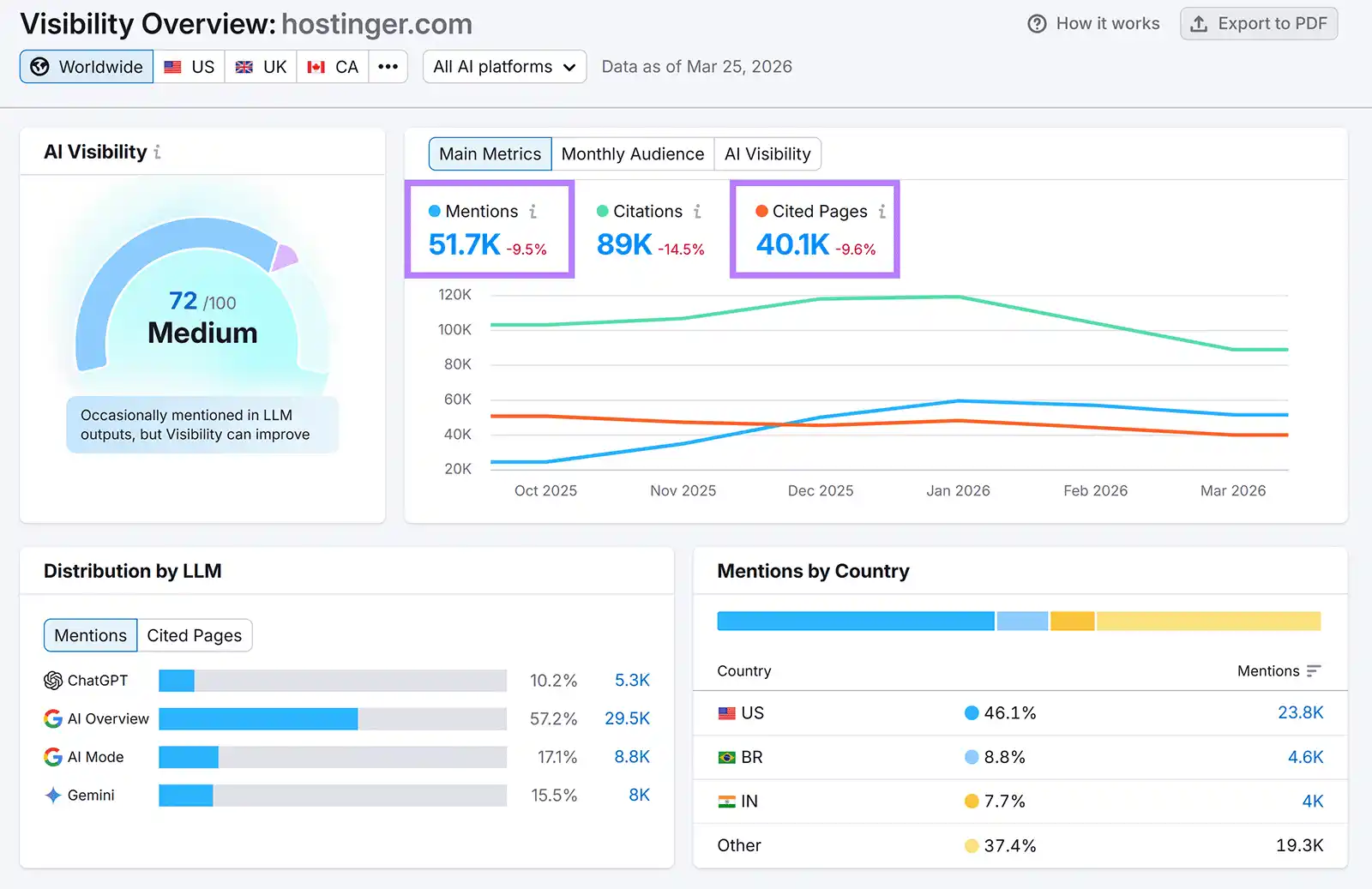
Semrush built a whole toolkit around this. Its AI Visibility Toolkit includes Prompt Research and Prompt Tracking across ChatGPT and Google AI Mode.
Personalized Difficulty Replaced Generic KD
A KD of 40 means nothing on its own. It depends on who's trying to rank.
Semrush's Personal Keyword Difficulty (PKD%) adjusts difficulty to your domain. A new SaaS blog and an established brand see different numbers for the same keyword.
Semrush Is Now Part of Adobe
Adobe completed its acquisition of Semrush in 2026. The tools are still sold standalone, but the direction is clear. Search plus AI visibility under one roof.
Curious about the numbers? Read our Semrush statistics breakdown.
| Area | Old SaaS Keyword Approach | 2026 SaaS Keyword Approach |
|---|---|---|
| Starting point | Highest volume terms | Bottom of funnel buyer terms |
| Difficulty | Generic KD | Personal KD for your domain |
| Success metric | Traffic | Trials, demos and signups |
| SERP check | Top 10 blue links | AI Overviews, AI Mode, People Also Ask, video |
| Research scope | Google keywords only | Google keywords plus AI prompts |
| Grouping | One keyword per post | Topic clusters with pillars and subpages |
| Competitor research | Manual SERP checks | Keyword Gap across up to five domains |
The SaaS Keyword Funnel From Pain Point to Purchase
SaaS buyers don't search like shoppers. They search like people with a problem and a budget.
Your keywords should follow that journey.
Most SaaS companies write for stage one first. Big mistake.
Stage three and four keywords have smaller volume, but the people searching are already holding a credit card.
| SaaS Keyword Type | Example | Search Intent | Best Page Type | Priority |
|---|---|---|---|---|
| Alternatives | mailchimp alternatives | Commercial | Alternatives roundup | Very high |
| Versus | beehiiv vs substack | Commercial, informational | Comparison page | Very high |
| Best category | best newsletter platform | Commercial | Roundup with your tool in it | High |
| Pricing | mailchimp pricing | Commercial | Pricing breakdown or comparison | High |
| Category head term | email marketing software | Commercial | Homepage or category page | Medium, long game |
| Use case | email marketing for small business | Commercial | Use case landing page | High |
| Integration | [tool] + [tool] integration | Transactional | Integration page | High for existing users |
| Templates and free tools | email marketing templates | Commercial, informational | Template gallery or free tool | Medium to high |
| Problem or how to | how to grow a newsletter | Informational | Guide with product tie in | Medium |
Practitioner Note
Free tools are the most underrated SaaS keyword play. People search for calculators, checkers and generators constantly.
We built our own free tools hub for exactly this reason.
Real SaaS Keyword Data From an Email Marketing Example
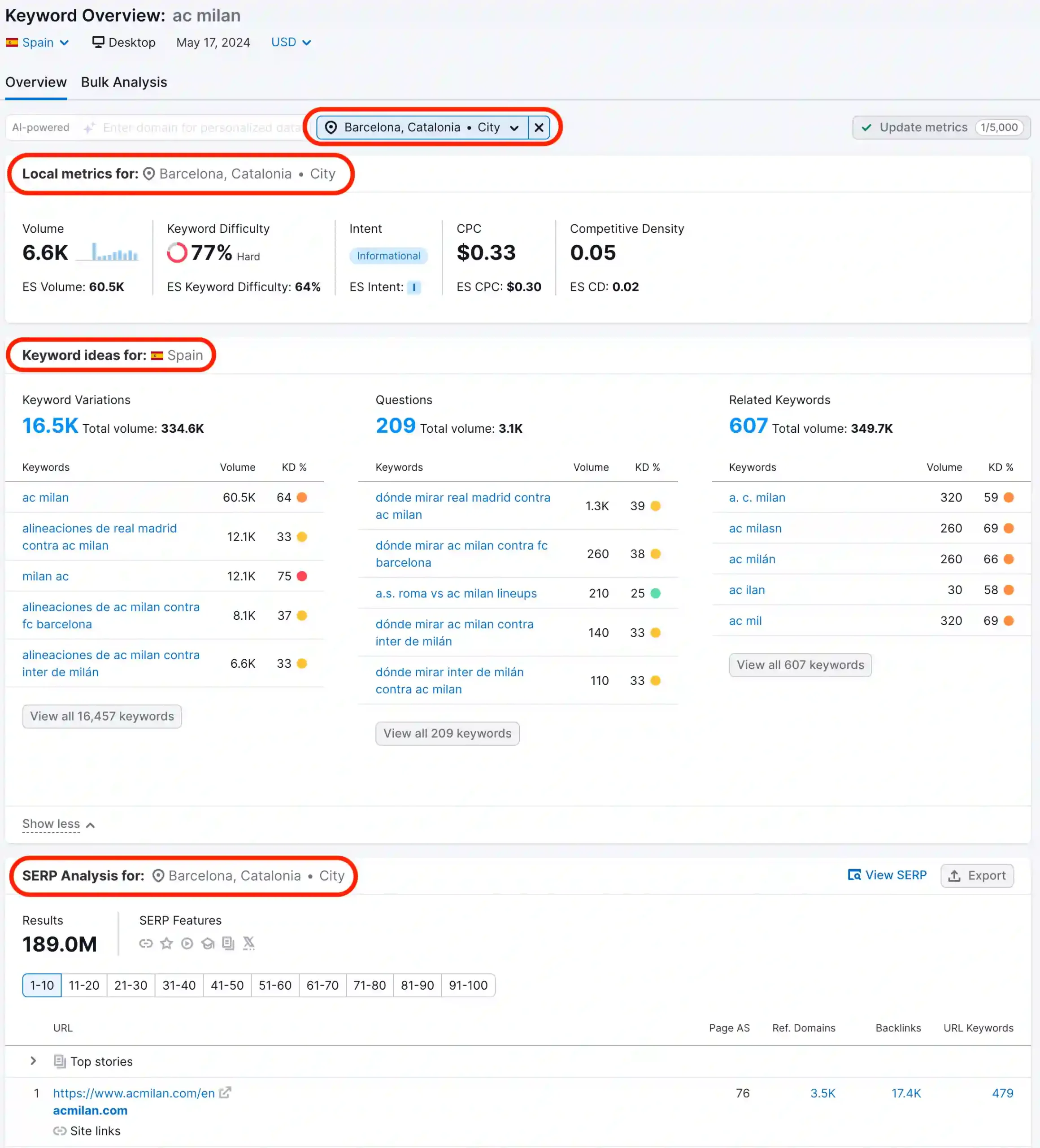
Theory is cheap. So we pulled real US keyword data for an email marketing and newsletter SaaS.
Your Semrush numbers will differ a bit, since every tool estimates volume its own way. The patterns are what matter.
| Keyword | US Monthly Volume | Difficulty (0 to 100) | CPC | Main Intent |
|---|---|---|---|---|
| email marketing software | 135,000 (highly volatile) | 66 | $83.18 | Commercial |
| mailchimp pricing | 6,600 | 26 | $11.60 | Commercial |
| email marketing for small business | 1,600 | 4 | $55.34 | Commercial |
| email marketing templates | 1,300 | 42 | $22.00 | Commercial |
| mailchimp alternatives | 1,000 | 8 | $46.46 | Commercial |
| email marketing automation | 1,000 | 33 | $74.94 | Commercial |
| best newsletter platform | 720 | 15 | $39.14 | Commercial |
| substack alternatives | 720 | 0 | $8.83 | Commercial |
| beehiiv vs substack | 590 | 0 | $11.27 | Informational, commercial |
| best email marketing software | 390 | 27 | $97.37 | Commercial |
| cold email software | 260 | 24 | $58.64 | Commercial |
| convertkit vs mailchimp | 210 | 2 | $27.54 | Commercial |
| kit vs mailchimp | 90 | 0 | $18.03 | Informational, commercial |
Five Lessons Hiding in That Table
Our Opinion
If we were launching a newsletter SaaS blog tomorrow, we'd start with “mailchimp alternatives,” “substack alternatives” and “beehiiv vs substack.” Low difficulty, real buyers, fast wins.
We'd leave “email marketing software” for year two.
Google Volume vs AI Prompt Volume
Here's where 2026 gets interesting. We also pulled estimated AI search volume, meaning how often similar prompts show up in AI assistants.
| Keyword | Google Monthly Volume (US) | Estimated AI Prompt Volume (US) | What It Tells You |
|---|---|---|---|
| best newsletter platform | 720 | 372 | Heavy AI demand. Recommendation prompts are moving to assistants |
| mailchimp alternatives | 1,000 | 73 | Still mostly a Google search |
| best email marketing software | 390 | 55 | Mixed, both channels matter |
| cold email software | 260 | 31 | AI demand growing from a tiny base |
| email marketing automation | 1,000 | 26 | Google first |
| mailchimp pricing | 6,600 | 10 | People still check pricing on Google |
Notice the pattern. “Best X” recommendation queries lean toward AI. Pricing and brand checks stay on Google.
So “best newsletter platform” needs a page built to get cited, not just ranked. Clear verdicts, comparison tables, honest pros and cons.
The Semrush Toolkit for SaaS Keyword Research
Semrush has dozens of tools. For SaaS keyword research, five do most of the heavy lifting.
Keyword Magic Tool for Expanding Seeds
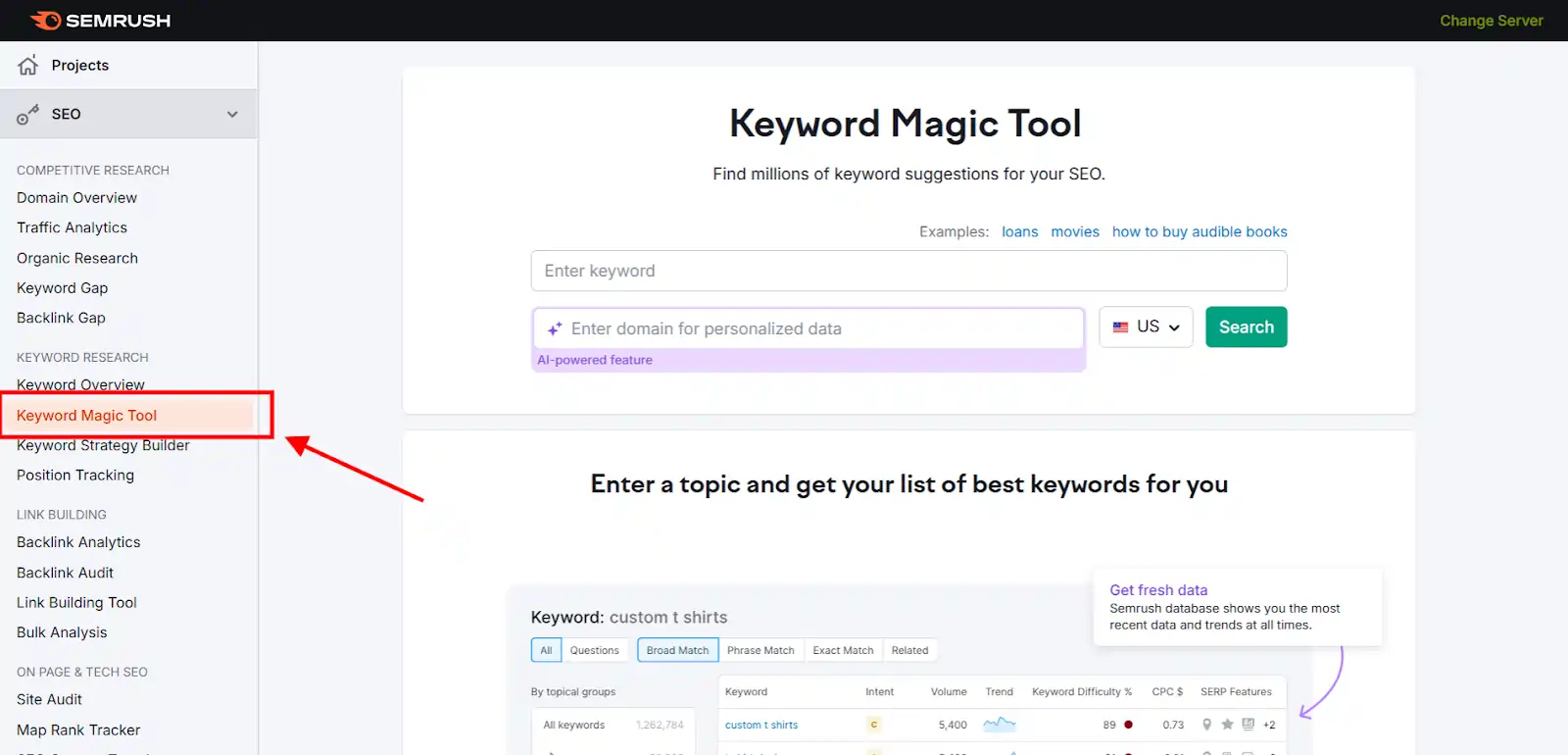
Our Keyword Magic Tool Filter Recipe for SaaS
Here are the exact filters we start with on any SaaS seed. They cut thousands of ideas down to a buyer focused set in minutes.
Save the result to a keyword group, then repeat with your informational seeds using the Questions filter.

Semrush Coupon: Unlock a Free 14-Day Pro Trial
Use Semrush’s free 14-day Pro Trial to uncover SaaS keywords, analyze search intent, find low-difficulty terms, and boost SEO rankings.
Keyword Overview for Deciding Fast
Keyword Gap for Stealing Competitor Demand
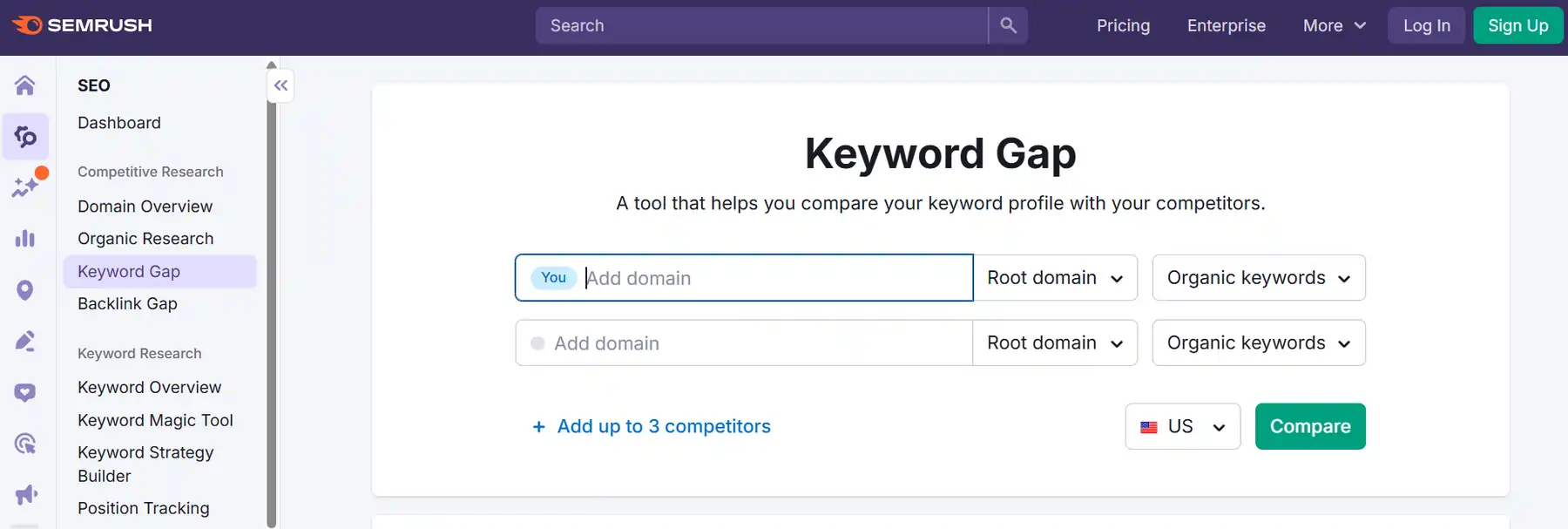
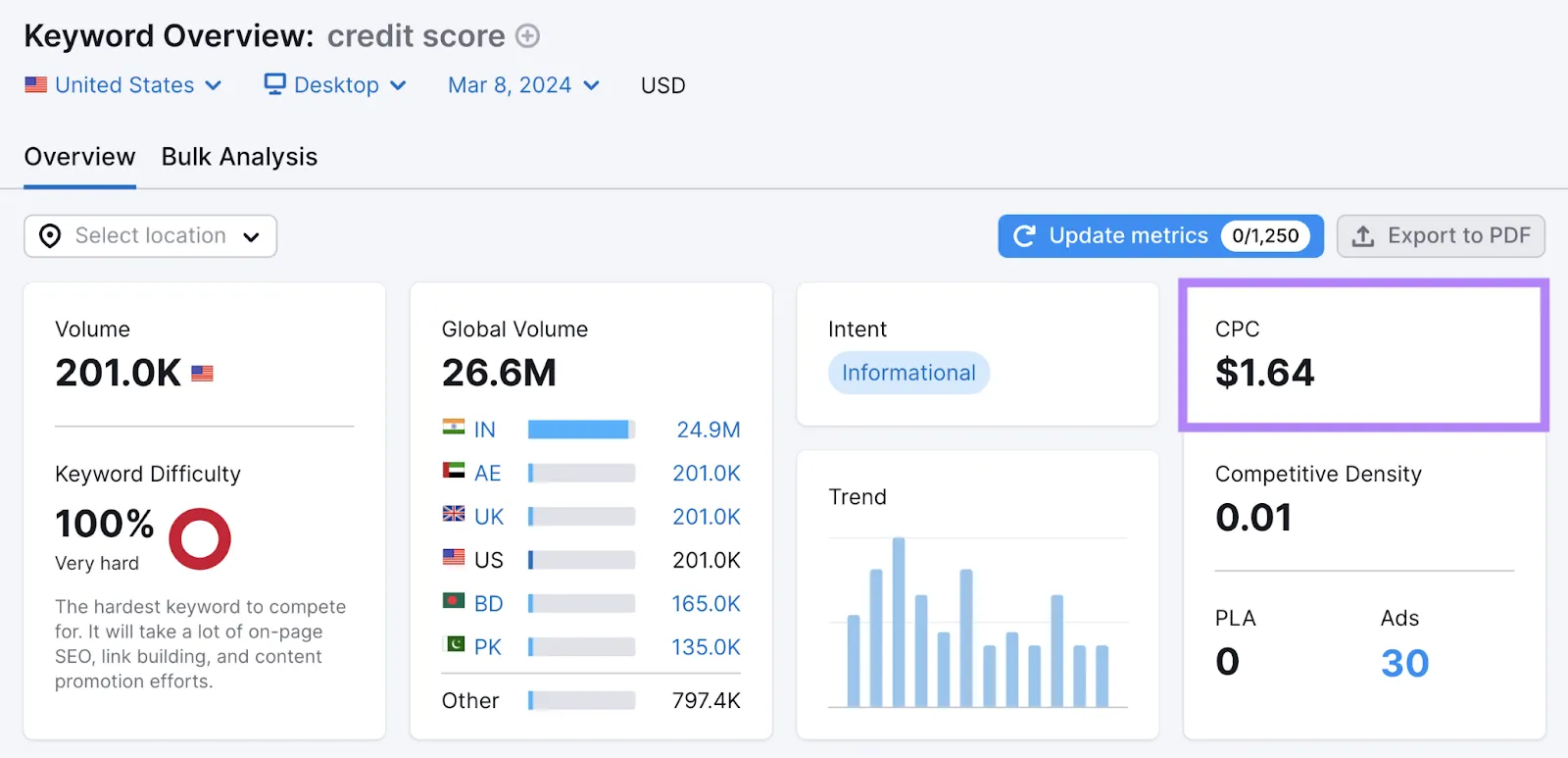
Compare up to five domains, including yours. Semrush sorts keywords into clear buckets.
Filter by intent and positions 11 to 20, and you get a ready made “almost winning” sheet. Guru and Business plans also let you scope by subfolder, handy for comparing a competitor's /blog/ only.
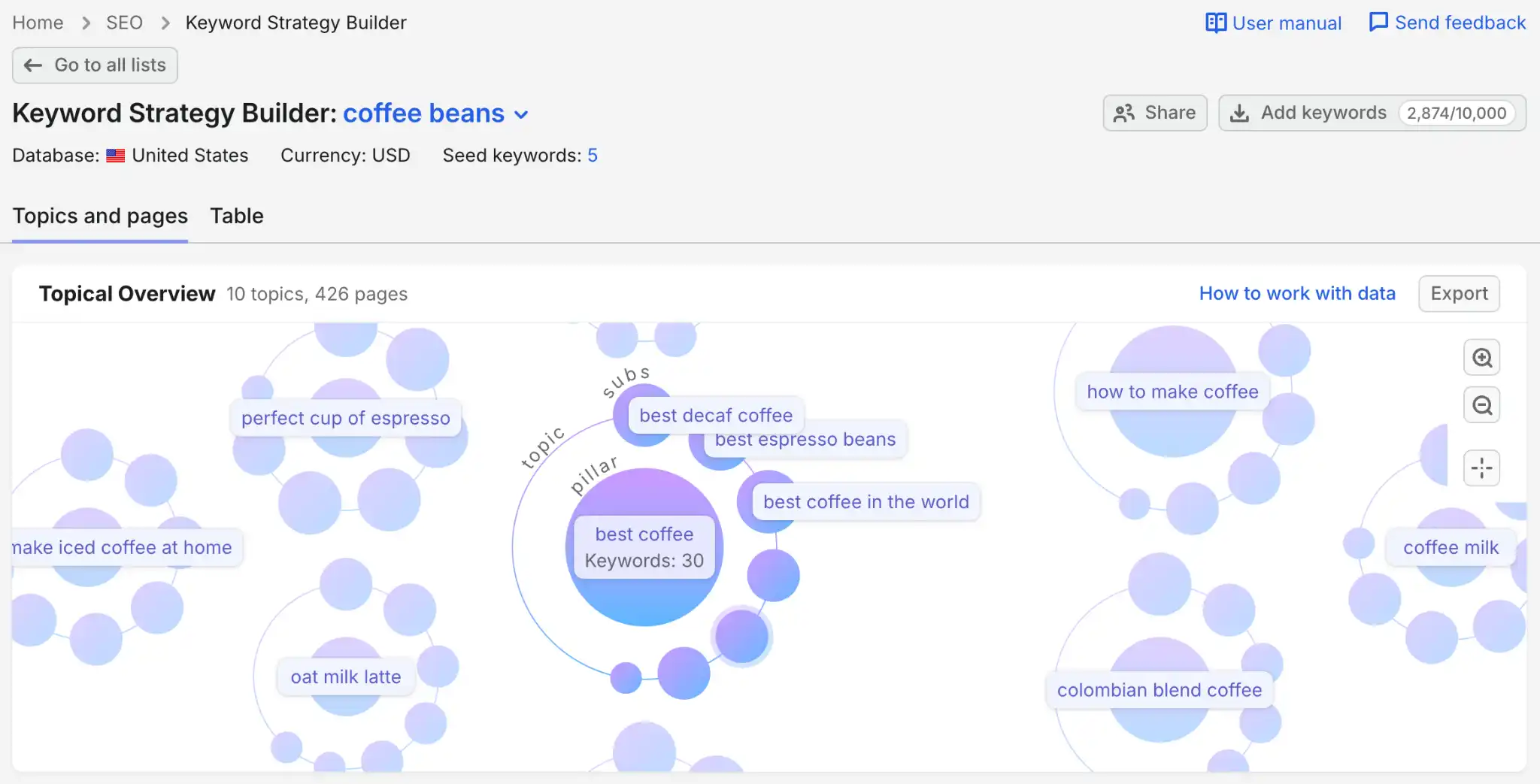
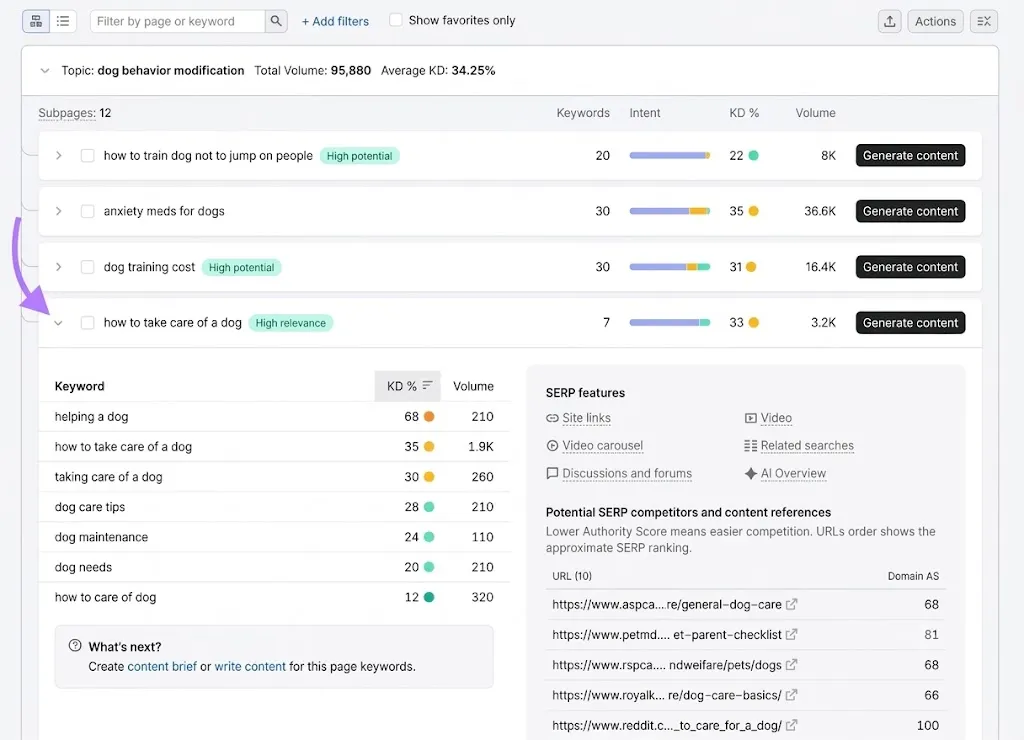
Keyword Strategy Builder for Topic Clusters
AI Visibility Toolkit for Prompt Research
| Semrush Tool | SaaS Job It Does | Key Feature to Use |
|---|---|---|
| Keyword Magic Tool | Expand seeds into thousands of ideas | Intent filter, AI Overview filter, PKD |
| Keyword Overview | Decide on one keyword quickly | Potential SERP Positions |
| Keyword Gap | Find competitor keywords you miss | Missing and Untapped tabs |
| Keyword Strategy Builder | Turn keywords into a content plan | Pillars and subpages |
| Organic Research | See a competitor's top pages and keywords | Pages report sorted by traffic |
| AI Visibility Toolkit | Research and track AI prompts | Prompt Research and Prompt Tracking |
Step by Step SaaS Keyword Research With Semrush
Here's the exact process. Eight steps, no filler.
Step 1. Write Down How Customers Describe the Problem
- Pull phrases from sales calls, support tickets, reviews and onboarding surveys.
- Note the words customers use, not your marketing language.
- Turn the top phrases into 5 to 10 seed keywords.
Step 2. Expand Seeds in the Keyword Magic Tool
- Pick your main country database.
- Enter each seed and start with Broad Match, then check Related.
- Add your domain in the AI filter bar to unlock PKD and Potential Traffic.
- Filter intent to Commercial and Transactional first.
Step 3. Mine Competitors With Keyword Gap
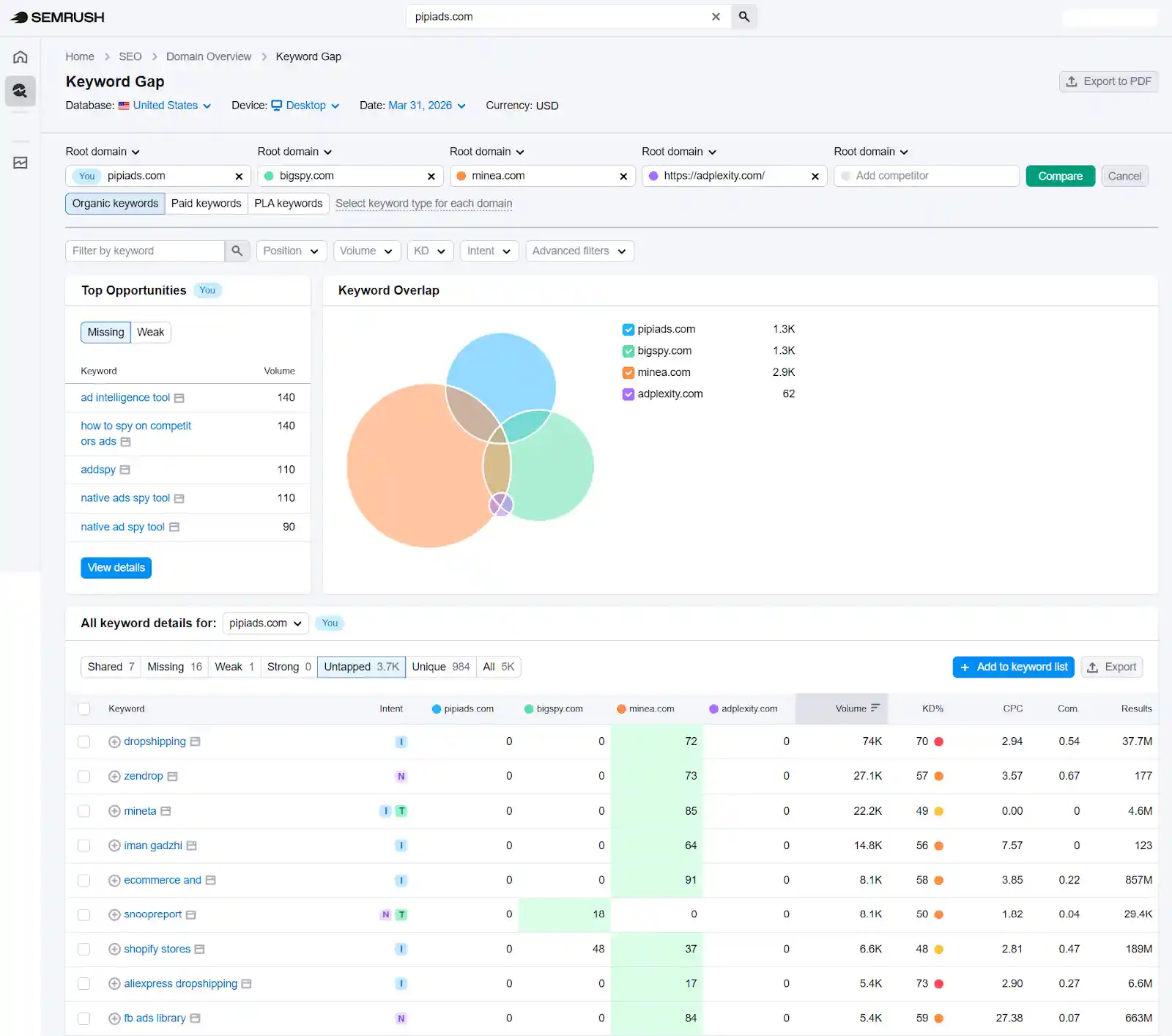
- Enter your domain plus up to four direct competitors.
- Open Missing and Untapped. Filter by commercial intent.
- Export anything with “alternative,” “vs,” “pricing,” “best” or “integration” in it.
Step 4. Pull Competitor Top Pages in Organic Research
- Open a competitor's Pages report.
- Sort by traffic and note which page types drive it.
- You'll often find comparison pages, templates and free tools near the top.
Step 5. Check Every Selected SERP Manually
- Does an AI Overview show? Who gets cited?
- Are the top results roundups, product pages or forums?
- Is Reddit or a review site dominating? That changes your page plan.
Step 6. Research Prompts in the AI Visibility Toolkit
- Enter your main category topics in Prompt Research.
- Add the most important buyer prompts to Prompt Tracking.
- Note which competitors get mentioned and how.
Step 7. Cluster Everything in Keyword Strategy Builder
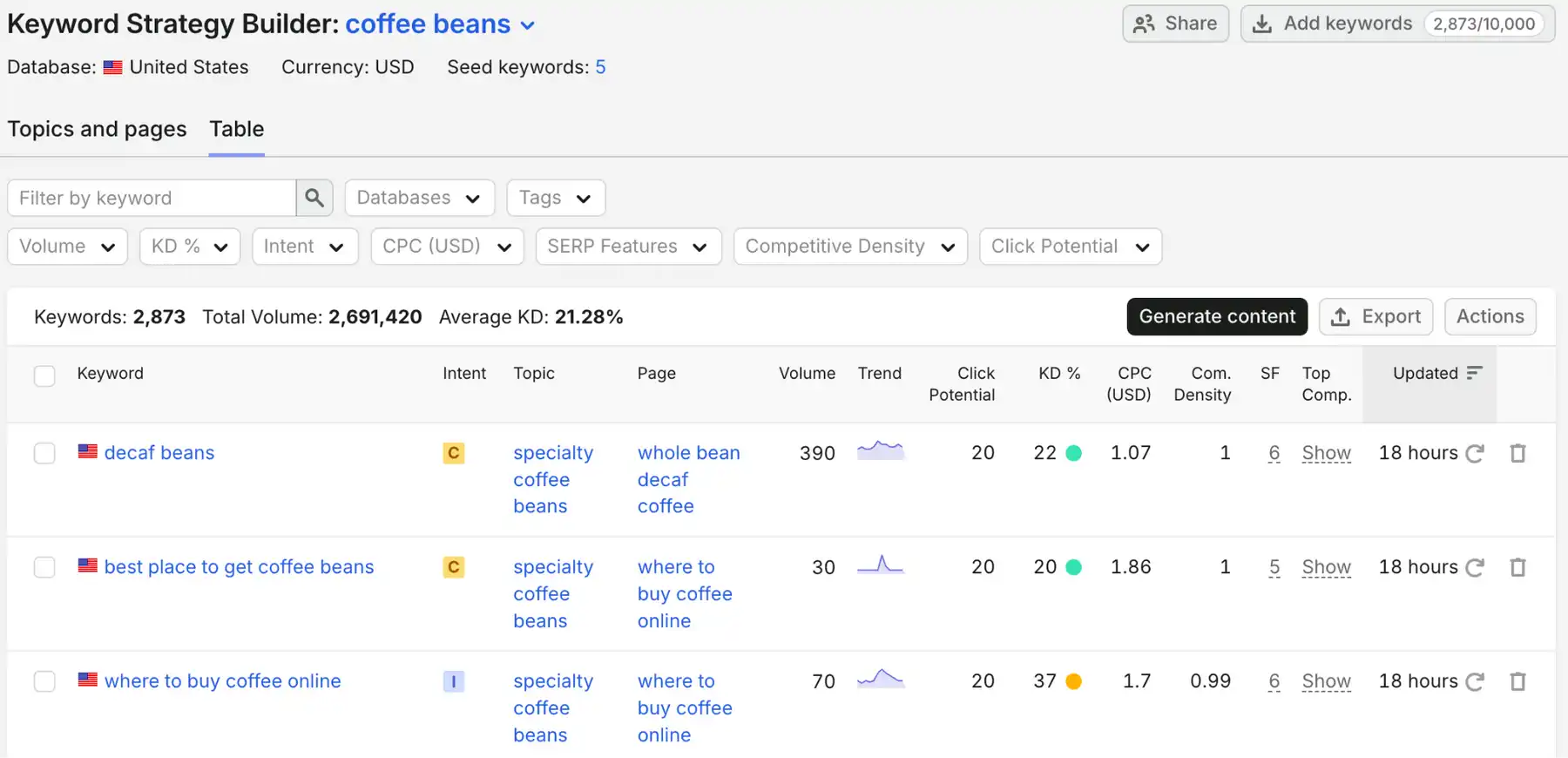
- Load your selected keywords and let it build pillars and subpages.
- Merge or split clusters where search intent differs.
- Assign one page type to each cluster.
Step 8. Score, Prioritize and Track
- Score each cluster with the system below.
- Send the top pages to Position Tracking.
- Review rankings and AI citations every few weeks.
Scoring SaaS Keywords by Business Value, Not Just Volume
A spreadsheet full of keywords means nothing without priorities. We score every keyword on four things.
| Factor | Score 3 | Score 2 | Score 1 | Score 0 |
|---|---|---|---|---|
| Product fit | Our product is the answer | Product helps a lot | Loose connection | No connection |
| Buyer intent | Ready to buy or compare | Solution aware | Problem aware | Curious only |
| Winnability (PKD) | Easy for our domain | Possible | Hard | Very hard |
| Click potential | No AI Overview, or we can get cited | AI Overview with room for clicks | Strong AI Overview | Fully answered in SERP |
Add the scores. Anything 10 to 12 goes first. Anything under 6 waits.
Volume only breaks ties. That one rule keeps you from chasing vanity traffic.
Mining Customer Language Beyond Keyword Tools
Semrush shows you what people search. Your customers show you how they think. You need both.
Feed these phrases back into the Keyword Magic Tool as seeds. You'll find terms competitors never thought to target.
SaaS Keyword Priorities by Growth Stage
A brand new SaaS and a market leader shouldn't chase the same keywords.
Prelaunch and Early Stage
Growth Stage
Mature Stage
Practitioner Note: Search “[your brand] alternatives” right now. If a competitor ranks first, they're shaping your buyers' options for them.
Mapping SaaS Keywords to the Right Page Types
The wrong page type kills good keywords. A blog post won't rank where Google wants a comparison table.
| Keyword Pattern | Page Type | Must Include |
|---|---|---|
| [competitor] alternatives | Alternatives roundup | Honest comparison table, who each tool suits, pricing |
| [tool A] vs [tool B] | Head to head comparison | Feature table, pricing, clear verdict |
| best [category] software | Category roundup | Selection criteria, use case picks, updated pricing |
| [tool] pricing | Pricing breakdown | Plan table, hidden costs, cheaper options |
| [category] for [audience] | Use case landing page | Audience pain points, matching features, proof |
| [tool] [tool] integration | Integration page | What syncs, setup steps, limits |
| [category] templates | Template gallery | Usable templates, preview, signup path |
| [task] calculator or checker | Free tool page | Working tool, short explainer, product tie in |
Keyword Research for AI Search and LLM Answers
Ranking is half the job now. Getting mentioned in AI answers is the other half.
How AI Prompts Differ From Keywords
Turning Prompt Research Into Content
Tracking AI Visibility Over Time
Our Opinion: Don't write separate “AI content.” Write pages that answer buyer questions clearly with facts and tables. Those rank in Google and get cited by AI.
Programmatic and International SaaS Keyword Plays
Some SaaS keyword patterns repeat hundreds of times. Integrations, templates, locations, job titles.
When Programmatic Pages Work
When They Backfire
Going International
Keeping SaaS Keyword Research Fresh After Publishing
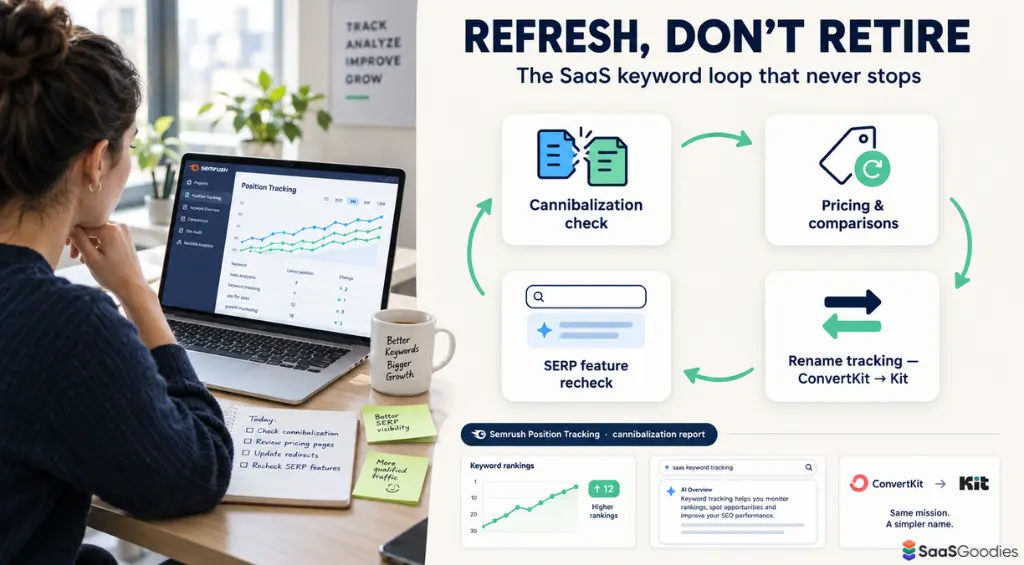
Keyword research isn't a one time project. Rankings shift, SERPs change and competitors rename products.
SaaS Keyword Research Questions We Get Asked
How Many Keywords Should One SaaS Page Target?
One main keyword plus its close variants and related questions. Keyword Strategy Builder clusters show you which terms belong together.
Can I Do SaaS Keyword Research Without Paying for Semrush?
Partly. Semrush's free plan gives 10 reports per day. Combine it with Google Search Console and review site language, and you can build a solid starter plan.
Should I Target Zero Volume Keywords?
If the buyer intent is obvious. New categories and niche integrations often show zero volume in tools but still bring signups.
How Often Should SaaS Keyword Research Be Redone?
Review your main clusters every quarter. Check money keywords more often, since pricing, SERP features and AI answers shift fast.
Do AI Prompts Replace Keywords?
They add a second layer. Google still drives most commercial searches, but recommendation prompts are growing fast.
Final Verdict on SaaS Keyword Research
SaaS keyword research isn't about finding the biggest number in a spreadsheet anymore.
It's about finding buyers. People comparing tools, checking prices and asking AI which product fits.
Semrush gives you the data. Keyword Magic Tool for ideas, Keyword Gap for competitor demand, Strategy Builder for clusters and the AI Visibility Toolkit for prompts.
Your job is judgment. Score by business value, map to the right page type and keep checking trends.
Do that, and every page you publish has a real chance of bringing in trials, not just traffic.